
What Adults Actually Need to Know About Calcium with Vitamin D Tablets?

Walk into any pharmacy and you will find shelves of calcium and vitamin tablets, each promising stronger bones. The labels look similar, but the right choice depends on who is taking them, what they eat, how much sun they get, and whether they have conditions such as kidney disease or diabetes. This guide explains how the two nutrients work together, who tends to need extra, and how to take supplements sensibly. If you are managing kidney disease, note that calcium is handled differently there, and our overview of Neovae's nephrology range explains why.
Why calcium and vitamin D are always mentioned together?
Calcium is the main building material of bones and teeth. It also helps muscles contract, nerves send signals, and blood clot. Roughly speaking, the body guards its blood calcium level closely, and if intake is low, it draws calcium out of the skeleton to keep the level steady.
Vitamin D is the helper. Without enough of it, the gut absorbs only a fraction of the calcium in food or supplements. That is the reason calcium with Vitamin D tablets are more common than calcium alone, and why doctors often check both when someone has weak bones or muscle aches.
What happens when either one runs low
Long-term shortfalls can lead to:
• Reduced bone density and, over time, osteoporosis
• Softening of bones (osteomalacia in adults, rickets in children)
• Muscle weakness, cramps, or pain
• Higher fracture risk in older adults
• In some cases, tingling or spasms when blood calcium is very low
Many of these problems develop slowly and are not obvious at first, which is why testing matters more than guessing.
Who should take calcium with vitamin D tablets?
Not everyone needs a supplement. Many adults get enough from food and sunlight. Doctors commonly consider supplements for people in these groups:
| Group | Why the need may be higher |
|---|---|
| Postmenopausal women | Falling oestrogen speeds up bone loss |
| Older adults | Absorption and skin vitamin D production decline with age |
| People with little sun exposure | Indoor work, covered clothing, or heavy sunscreen use reduces vitamin D |
| Vegans or people avoiding dairy | Lower dietary calcium intake |
| People with digestive or absorption problems | Nutrients may not be absorbed properly |
| Patients on certain long-term medicines | Some drugs affect bone or mineral balance |
| People with confirmed deficiency | Blood tests show low vitamin D or calcium |
The last row is the most useful. A simple blood test for vitamin D and calcium tells you far more than a label ever will.
Choosing between the main types of calcium supplement
Calcium supplement tablets commonly come in two main forms:
• Calcium carbonate: contains a high proportion of elemental calcium and is usually taken with food, because stomach acid helps absorption
• Calcium citrate: absorbed well with or without food, and sometimes easier on people with low stomach acid, though more tablets may be needed for the same amount of calcium
Neither is universally better. Your doctor or pharmacist can advise which suits your digestion, medicines, and budget. Products such as Teninef-D combine calcium carbonate with vitamin D3, and Nefical-C is described by the company as a calcium and vitamin D3 tablet for preventing or treating low calcium. Both are examples of how combined formulations are packaged for convenience.
Best time of day to take calcium supplement tablets
There is no single perfect hour, but a few principles help:
1. Take calcium carbonate with a meal, since food and stomach acid improve absorption
2. Split larger doses, because the body absorbs calcium better in smaller amounts at a time
3. Keep a consistent routine, such as with lunch or dinner, so you do not forget
4. Space it from certain medicines. Calcium can interfere with the absorption of some antibiotics, thyroid medicine, and iron, so ask your pharmacist how far apart to take them
5. Follow your doctor's schedule if you have kidney disease or take other medicines
Vitamin D is fat-soluble, so it is generally absorbed better with a meal containing some fat.
Understanding vitamin D deficiency tablets
Vitamin D deficiency tablets are used when blood tests show low levels. In such cases doctors may prescribe a higher-strength vitamin D product for a defined period, then move to a maintenance approach. That is different from a daily calcium plus vitamin D tablet taken for general bone support.
Two cautions apply:
• Vitamin D is not harmless in unlimited amounts. Excess can raise blood calcium and cause nausea, weakness, or kidney problems
• Doses should be based on your test results and your doctor's advice, not on what a friend takes
Calcium tablets for bone health: what else matters
Supplements are only one part of bone care. Calcium tablets for bone health work best alongside:
• Dietary foods such as dairy products, ragi, leafy greens, sesame seeds, almonds, and fortified foods contribute calcium
• Expose yourself to Sunlight; short, regular exposure helps the skin make vitamin D, though needs vary by skin tone, latitude, and season
• Weight-bearing exercise like walking, stair climbing, and resistance training stimulates bone
• Limiting harmful habits such as smoking and heavy alcohol use weakens bones
• Intake of adequate protein and other nutrients like magnesium and vitamin K also play roles in bone metabolism
Situations that call for extra caution
• Kidney disease: damaged kidneys handle calcium and phosphate poorly, so supplements must be supervised and blood levels monitored
• History of kidney stones: some people are advised to limit supplemental calcium
• Heart conditions and certain medicines: interactions are possible, so discuss with your doctor
• Pregnancy and breastfeeding: needs change, and the type and amount should be guided by a clinician
• Children: requirements differ by age, so never give adult tablets without advice
Requirements also vary by country, guidelines, and individual health, which is why a one-size recommendation does not exist.
Side effects and safety signs
Some people experience constipation, gas, or bloating from calcium. Drinking enough water, eating fibre, and splitting the dose can help. Seek medical advice if you notice persistent nausea, excessive thirst, frequent urination, confusion, or severe stomach pain, as these may point to too much calcium.
A simple checklist before you buy
• Confirm whether you actually need a supplement, ideally through a blood test
• Check the label for elemental calcium and vitamin D content, not just the salt name
• Choose a licensed pharmacy or a verified platform
• Look for manufacturer name, batch number, and expiry date
• Ask the pharmacist about interactions with your current medicines
• Store tablets in a cool, dry place away from children
Making calcium work for you
Stronger bones are built over decades through food, sunlight, movement, and, when needed, well-chosen supplements. Test first, take what you need rather than what you fear you are missing, and review your plan with your doctor at least once a year. For more on the company behind several calcium and vitamin D3 formulations, visit Neovae.
This article is for general information and does not replace advice from a doctor or pharmacist.
Frequently Asked Questions

A Practical Explainer of Diabetes Medicine and Blood Sugar Control
A diabetes diagnosis usually comes with a flood of new words: HbA1c, insulin resistance, glycaemic index, and a list of...

An Overview of Neovae's Cardiovascular Medicine Range
Heart disease seldom travels alone. People with diabetes are more likely to develop it, people with chronic kidney disea...
Inside Neovae's Diabetology Product Line
Diabetes is rarely just about blood sugar. Over the years, it can affect the kidneys, the heart, the nerves, and the eye...
Neovae's Nephrology Range: Medicines Built Around Kidney Health
Chronic kidney disease rarely arrives with a single problem. A person may deal with high phosphate, anaemia, low calcium...

Neovae Biomedics: Inside a Specialty Pharma Company in India
Most people know the medicine, not the company behind it. Yet for doctors, distributors, and patients, the maker matters...
What Toxivap Capsule is for and How to Order It Safely Online
Bloating, irregular bowel movements, and an unsettled stomach are common complaints, and they often trace back to the ba...

Forsugar-5 Tablet: A Practical Option for Blood Sugar Management
Living with diabetes is mostly a matter of routine: meals, movement, monitoring, and medicine taken the way it was presc...

Neoalfa-Q Tablets: What They Are For and Where to Buy Them
People with chronic kidney disease are often told to eat less protein. It sounds simple, but cutting protein too far can...
Selva DT Tablet: Uses, Dosage Information and What to Know Before You Buy
When the kidneys cease to clear phosphate from the blood as efficiently as they should, a mineral imbalance results, one...

Forsugar-5 Tablet: A Practical Guide to Managing Type 2 Diabetes
Type 2 diabetes management has evolved considerably over the past two decades, moving beyond a single class of drugs tow...

Neoalfa-Q and Sevla DT: Two Pillars of Nutrition and Mineral Management in Kidney Disease
Chronic kidney disease (CKD) rarely stays confined to the kidneys alone. As kidney function declines, two closely relate...

MV-MAX: Supporting Hair, Nerves and Energy With B-Complex and Biotin
Hair thinning, persistent tiredness and tingling or numbness in the hands and feet are three complaints that seem unrela...

Irovap-S Multivitamin Syrup: One Formula for the Whole Family's Nutrition
Getting a household's daily nutrition right is rarely simple. Children go through picky-eating phases, adults skip meals...

VNG-450 (Valganciclovir 450 mg): Uses, Precautions and What Patients Should Know
Cytomegalovirus, which is generally referred to as CMV, is a virus that the majority of healthy individuals carry withou...

A Practical Guide to Uses, Benefits and Buying of Polycarb Tablet
Iron deficiency anaemia is the most commonly diagnosed nutritional disorder in women, especially during their reproducti...
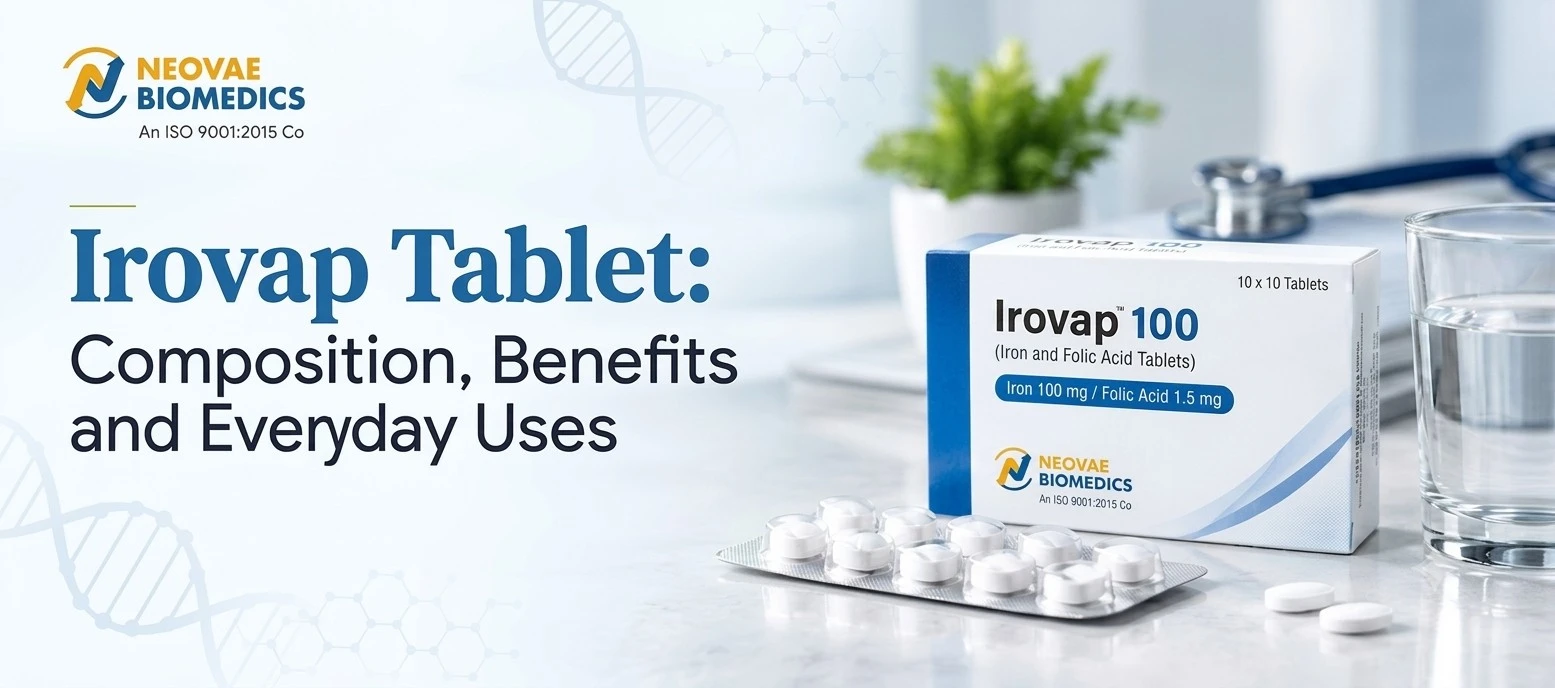
Irovap Tablet: Composition, Benefits and Everyday Uses
Iron deficiency is one of the most common nutritional deficiencies that we see in clinical practice, whether it occurs i...

Carnivap 300: A Complete Guide to Uses, Benefits and Buying It Safely
If your doctor has lately talked to you about Carnivap 300, or if you've come across it as you're looking into antioxida...
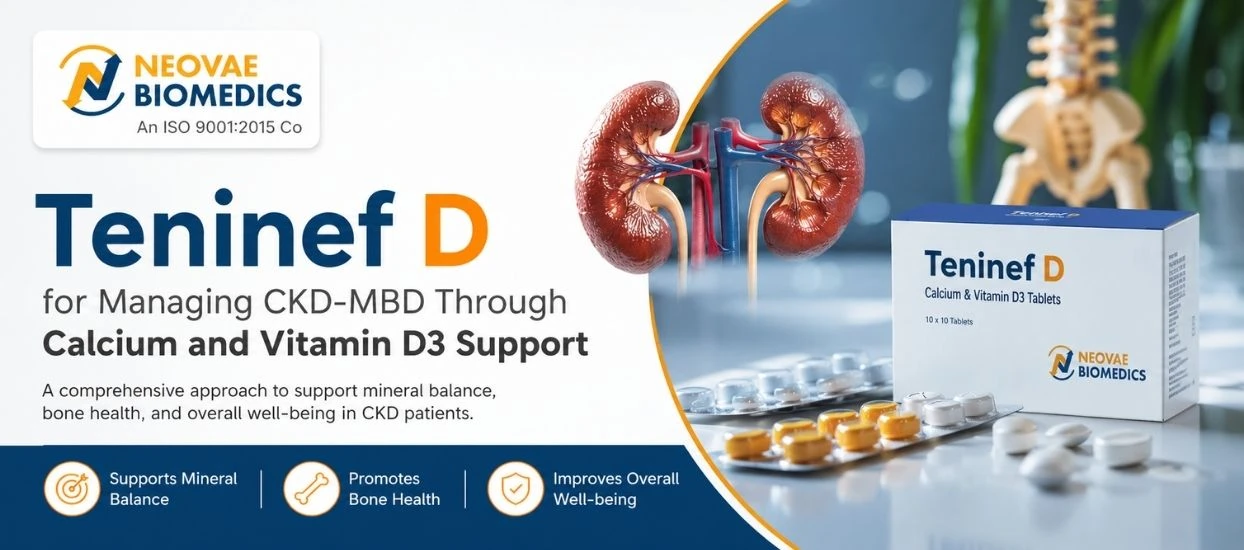
Teninef D for Managing CKD-MBD Through Calcium and Vitamin D3 Support
Chronic kidney disease seldom remains limited to the kidneys themselves; as kidney function decreases, the body's capaci...

Acihold Medicine: Uses, Benefits, And What To Know Before Taking It
Gastric acidity is perhaps one of the most frequent complaints that brings patients to their physician, pharmacist, or h...

The Role of Specialty Medicines in Neurology Treatment
Neurological diseases are unique in terms of having a wide range of manifestation forms with similar diagnoses. For any...
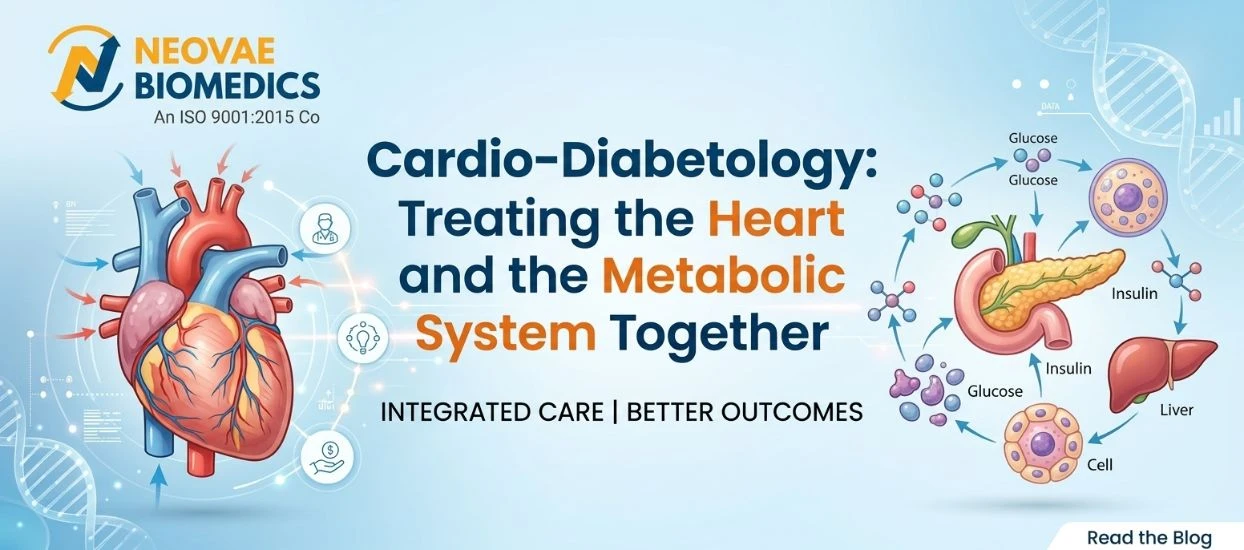
Cardio-Diabetology: Treating the Heart and the Metabolic System Together
Cardiology and diabetology used to exist as two separate worlds, focusing on disparate guidelines and having little over...

The Power of Speciality Healthcare
The human body is an extraordinary network where every organ, tissue, and system depends on another to function efficien...

Talking to Family About a Serious Diagnosis
Clinicians are trained to deliver a diagnosis. Patients rarely get the equivalent training in relaying it to the people...

Understanding Your Treatment Plan & Medicines
A diagnosis rarely arrives with a manual. What follows it, however, usually does: a treatment plan, drawn up by a physic...

A Holistic Vision for the Future of Patient Care
Neovae Biomedics is a speciality healthcare company dedicated to improving patient outcomes through innovation and scien...