Understanding Your Treatment Plan: A Guide for Patients and Families

A diagnosis rarely arrives with a manual. What follows it, however, usually does: a treatment plan, drawn up by a physician, refined by a specialist, and dispensed through a pharmacist who has to explain in five minutes what took years of clinical training to understand. For patients and their families, this document often becomes the single most important piece of paper in their lives, and yet it is frequently the least understood.
This piece looks at what a treatment plan actually contains, why it is structured the way it is, and how patients, caregivers, and the clinicians guiding them can work from the same page, literally and otherwise.
What a Treatment Plan Is Built From
Learning how to understand a treatment plan for chronic illness starts with recognizing that it is built from a small, repeatable set of parts, regardless of the specialty involved. At its core, a treatment plan documents four things: the diagnosis and its clinical stage, the therapeutic goal, the medicines or interventions selected to reach that goal, and the timeline for review. Physicians typically add a fifth layer for chronic or complex conditions, referring patients toward dietitians, physiotherapists, or counselors as needed.
For conditions treated with specialty medicines, biologics, targeted therapies, or long term maintenance drugs used in nephrology, gastroenterology, and rheumatology among other areas, this plan tends to carry more detail than a standard prescription. Dosing schedules, monitoring parameters, and drug interaction notes are common, and pharmacists play a central role in translating this detail into something a patient can follow at home.
Why the Language Feels Difficult
Clinical terminology exists for precision, not to create distance, but the effect on a patient reading their own file can feel the same either way. Words such as titration, adjunct therapy, or maintenance dose are second nature to a prescribing physician and largely foreign to the person taking the medicine.
This gap is not a failure on the patient's part. It reflects a genuine difference in training and exposure. What closes the gap is not simplification of the medicine itself but clarity in how it is communicated, ideally at the point of prescription and again at the pharmacy counter.
Building Confidence Around the Plan
A handful of practices tend to make treatment plans easier to follow. Patients benefit from asking their physician to define any unfamiliar term in the same appointment it appears, rather than searching for it later. A printed or written copy of the plan, taken home and reviewed without the time pressure of a clinic visit, allows information to settle properly. Involving a family member in appointments often catches details that a patient alone might miss, particularly when a diagnosis is emotionally taxing to process.
Pharmacists have an outsized role here as well. Because patients see their pharmacist more frequently than their specialist, counter level counseling on dosage timing, storage conditions, and expected side effects often does more for adherence than the original prescription conversation.
Heading into a review visit with a short list of questions to ask about your treatment plan, covering expected outcomes, common side effects, and the markers a physician will use to judge progress, tends to make far better use of limited consultation time.
Specialty Medicines Within the Plan
Specialty medicines are typically prescribed for conditions that do not respond adequately to standard therapy, and they are developed against a specific disease mechanism rather than a general set of symptoms. This is why specialty medicine adherence tends to be closely monitored by both physicians and pharmacists; missed doses or improper storage can meaningfully affect outcomes in ways that are harder to reverse than with conventional drugs.
When a specialty medicine is part of a treatment plan, patients are well served by understanding a few specifics directly from their care team: how the drug works within the body, what timeline of response to expect, which side effects warrant a call to the clinic rather than a wait and watch approach, and whether storage or administration requires particular conditions, refrigeration being a common example.
Manufacturers of specialty medicines, including companies such as Neovae Biomedics ,generally provide detailed product literature and patient support material precisely because this category of medicine demands closer attention than routine prescriptions. Neovae specialty medicines,phrology, gastroenterology, and rheumatology protocols they are most often prescribed within.
The Family's Role in the Plan
A treatment plan is seldom followed by one person alone. Family members frequently manage the logistics of appointments, track dosing schedules, and provide the daily encouragement that sustains long term therapy. Involving them from the outset, with the patient's consent, tends to reduce confusion later and distributes the responsibility of care more evenly.
A short conversation after each appointment, translating the clinical detail into everyday language for the household, goes further toward adherence than most formal patient education material.
Plans Are Reviewed, Not Fixed
Treatment plans are revisited as a matter of course. New lab results, a change in symptoms, or updated clinical guidance can all prompt a physician to adjust dosing or switch therapy altogether. This is a routine part of specialty care rather than an indication that the original plan failed.
Patients who understand a treatment plan for chronic illness in this way, as a living document rather than a fixed instruction, tend to engage more actively with their physician during review visits, asking pointed questions about progress rather than passively receiving updates.
A Shared Responsibility
The most effective treatment plans function less like directives and more like agreements between physician, pharmacist, patient, and family. Each party holds a piece of the outcome. Physicians set the clinical direction, pharmacists ensure the medicine is taken correctly, and families provide the daily structure that keeps therapy on track.
For hospitals and distributors working with specialty pharmaceutical manufacturers, this same principle applies at scale: clear product information, accessible patient literature, and responsive support from the manufacturer all shape how reliably a treatment plan translates into a treatment outcome.

A Practical Guide to Uses, Benefits and Buying of Polycarb Tablet
Iron deficiency anaemia is the most commonly diagnosed nutritional disorder in women, especially during their reproducti...
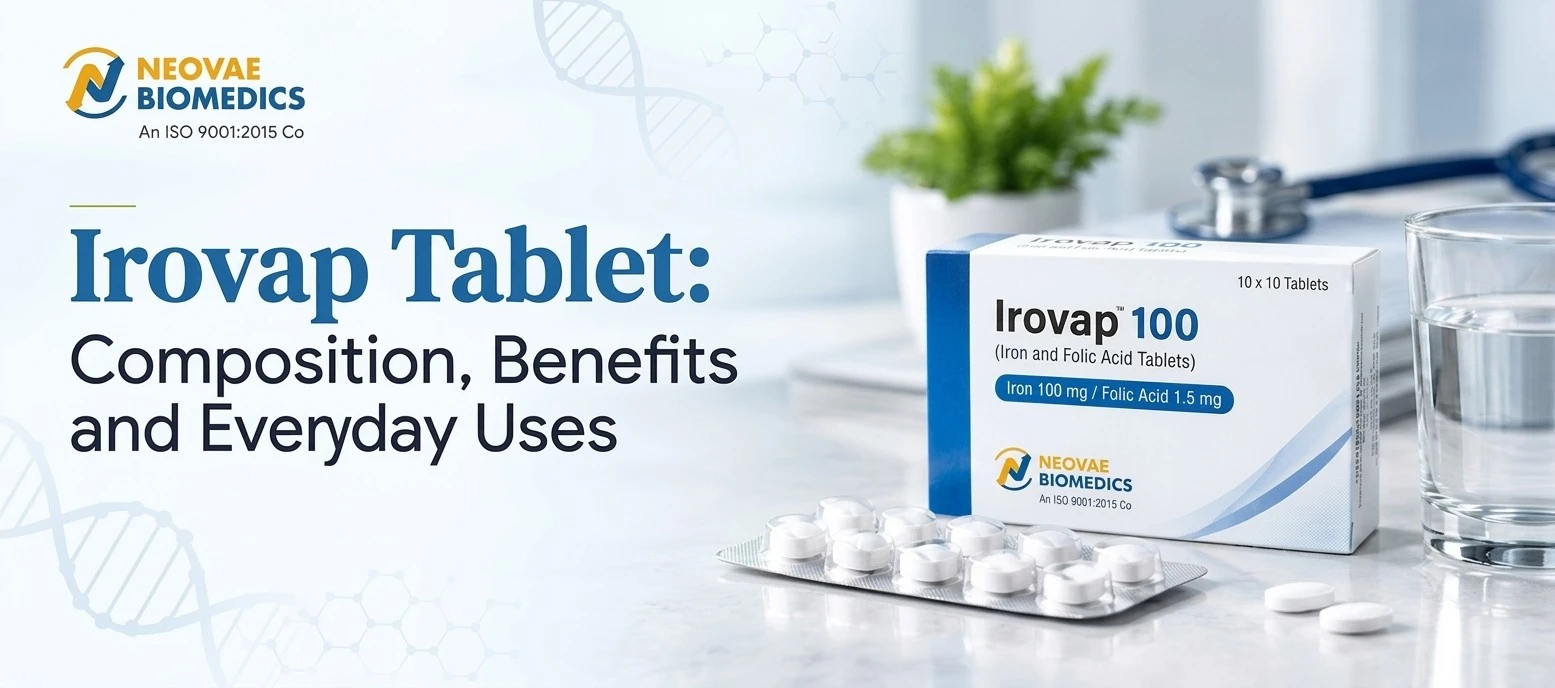
Irovap Tablet: Composition, Benefits and Everyday Uses
Iron deficiency is one of the most common nutritional deficiencies that we see in clinical practice, whether it occurs i...
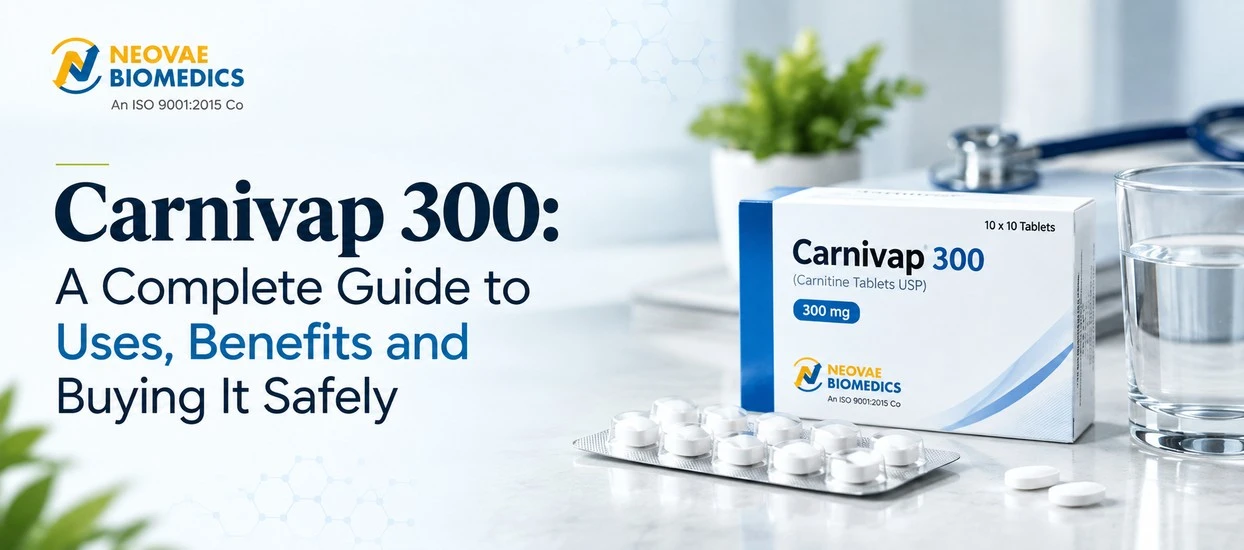
Carnivap 300: A Complete Guide to Uses, Benefits and Buying It Safely
If your doctor has lately talked to you about Carnivap 300, or if you've come across it as you're looking into antioxida...
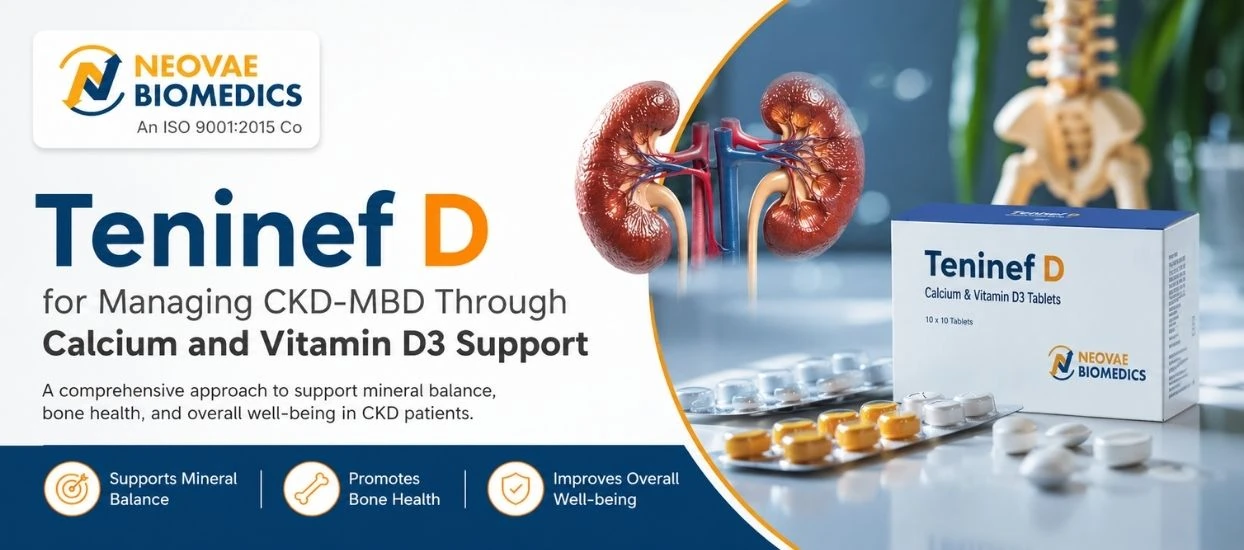
Teninef D for Managing CKD-MBD Through Calcium and Vitamin D3 Support
Chronic kidney disease seldom remains limited to the kidneys themselves; as kidney function decreases, the body's capaci...

Acihold Medicine: Uses, Benefits, And What To Know Before Taking It
Gastric acidity is perhaps one of the most frequent complaints that brings patients to their physician, pharmacist, or h...
The Role of Specialty Medicines in Neurology Treatment
Neurological diseases are unique in terms of having a wide range of manifestation forms with similar diagnoses. For any...
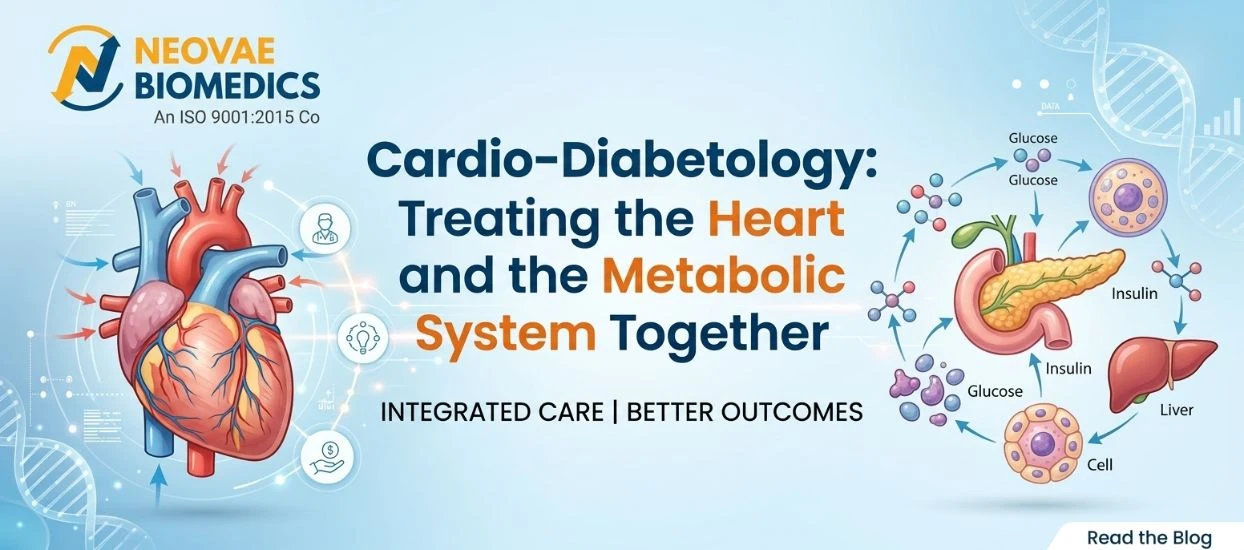
Cardio-Diabetology: Treating the Heart and the Metabolic System Together
Cardiology and diabetology used to exist as two separate worlds, focusing on disparate guidelines and having little over...

The Power of Speciality Healthcare
The human body is an extraordinary network where every organ, tissue, and system depends on another to function efficien...

Talking to Family About a Serious Diagnosis
Clinicians are trained to deliver a diagnosis. Patients rarely get the equivalent training in relaying it to the people...

A Holistic Vision for the Future of Patient Care
Neovae Biomedics is a speciality healthcare company dedicated to improving patient outcomes through innovation and scien...