
Acihold Medicine: Uses, Benefits, And What To Know Before Taking It
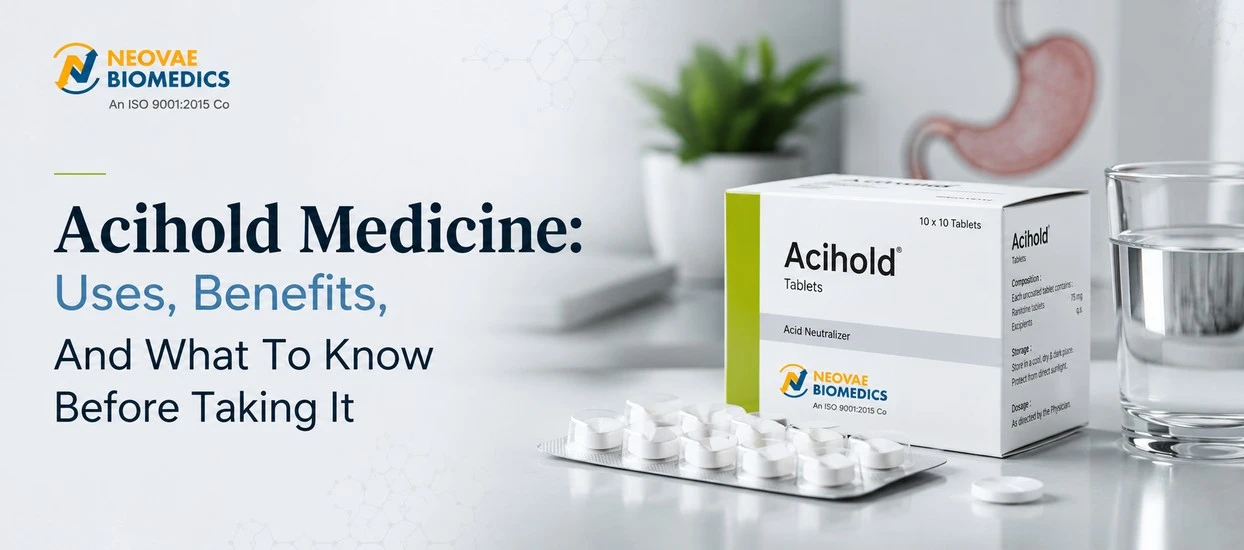
Gastric acidity is perhaps one of the most frequent complaints that brings patients to their physician, pharmacist, or hospital dietician: the occasional heartburn after particularly rich food, or chronic persistent discomfort that significantly impacts one’s quality of life. Acihold is one such medication that contains one of the oldest and most trusted ingredients in the gastroenterological and diabetes fields, and this article aims to detail its mechanism and properties, as well as cover the key things every patient needs to know before considering this product.
Note that this article offers general medical information only; in cases of persistent or chronic discomfort, always consult your physician, pharmacist, or hospital dietician before introducing any new medication or supplement.
What Is Acihold Medicine Made Of?
Acihold’s primary active substance is Sodium Bicarbonate 500 mg, otherwise known as sodium bicarbonate, and it is used within the field of cardio-diabetology and nephrology as an auxiliary sodium bicarbonate medication for patients with excessive gastric secretion. Sodium bicarbonate as an ingredient has been used in the industry for decades – it is a time-tested antacid medication that neutralizes acidic content in the stomach rather than suppressing the proton pumps responsible for its secretion, which is the working mechanism of many modern acid-suppressive medications.
Sodium bicarbonate has also found its use within the nephrology domain, which is why physicians often prescribe either Acihold or other similar medications for patients with kidney issues. Because of this, sodium bicarbonate is also a recognized element in maintaining the acid/base balance within the body, which sometimes requires outside interference when the kidneys are unable to manage it on their own.
Acihold As A Digestive Health Medication
As a medication for digestive system health, Acihold’s application ranges from mild and occasional gas, heartburn, or discomfort after particularly fatty meals to chronic conditions that require a continuous course of antacid therapy in accordance with the doctor’s recommendations. The manufacturer notes that Acihold helps neutralize excess stomach acid and contributes to a healthier gastrointestinal tract environment, being generally gentle on the lining of the stomach and the rest of the upper digestive tract.
It is advisable to consult your pharmacist or physician before considering regular or continuous use, as any antacid medication may have a long-term impact on the mineral balance in the body, especially for medicine for patients with kidney issues.
A Common Treatment For Stomach Acidity And Discomfort
For many patients, the most frequent question after an official diagnosis is about the drugs – specifically, what medications are indicated for their particular condition. In many ways, Acihold fits the bill as a stomach acidity and discomfort medicine due to its ability to quickly neutralize the acid, thus eliminating the burning sensation, even if only temporarily. For this reason, it is recommended in cases of occasional and mild heartburn, as a complement to regular acid-suppressive medication for those with chronic conditions who require proton pump inhibitors to regulate their secretory activity continuously.
How Acihold Medication Helps Treat Gastric Acidity
Medications for gastric acidity fall into two main classes – those that suppress the proton pumps and reduce overall acid secretion and antacids, such as Acihold, that neutralize gastric juice and help relieve discomfort without affecting production. The mechanism of sodium bicarbonate is rather simple; it neutralizes the free acid in the stomach, which reduces the irritation of the stomach lining and, as a result, the heartburn. This makes it particularly valuable in cases of occasional discomfort, as well as in patients with weakened digestion and an irritated gastrointestinal tract, as it helps to quickly alleviate the symptoms without negatively impacting the sensitive lining of the stomach.
An Acidity Relief Medicine For The Doctor’s Prescriptions
In searching for an acidity relief medicine, many patients will find that sodium bicarbonate is the most common agent to recommend to them as an occasional antacid. Patients need to know that when it comes to the regular or continuous use of the medication, its sodium content can significantly affect those with kidney disease and high blood pressure, which is why it is advisable to always consult your physician before initiating any new medication. In turn, the pharmacists’ role is to ensure you receive a prescription if and when you need one, as they often serve as a helpful intermediary between patients and doctors.
Recommendations And Precautions Before Taking Acihold Medicine
For patients with kidney disease or heart conditions, as well as those with a sodium-restricted diet, it is important to speak with your physician before taking any medication with sodium bicarbonate.
Although it is generally safe, Acihold was not intended to be used as a long term solution for acid neutralization. Likewise, in the event that you notice that your symptoms continue to be uncomfortable or frequent, always consult your doctor for further instructions, as there may be an underlying condition that requires further attention.
You must speak with your pharmacist or physician before taking Acihold with other medications, as sodium bicarbonate has the potential to interfere with other drugs’ absorption. Buy Acihold from Neovae Biomedics.
Acihold Medicine Availability Information
Acihold is distributed by Neovae Biomedics through its vast network of cardio-diabetology and nephrology-focused institutions across the region. Doctors, pharmacies, and hospitals may get more information on this medication by visiting its specific product page. For stockist inquiries, contact Neovae Biomedics.
Back to the Patient
The most common reason to consider Acihold is gastric acidity and heartburn, but just like with any gastrointestinal tract discomfort, there is a range of symptoms that are better addressed in the context of an overall assessment. For this reason, Acihold’s indication includes a variety of conditions within the greater spectrum of acidity, both occasional and chronic. This being said, patients need to keep in mind that although sodium bicarbonate has been used for decades in the clinical setting, it is always better to consult your physician before taking it for an extended period of time. In cases of chronic acidity, there is more than one medication that could help alleviate the symptoms while minimizing the impact on the mineral balance and overall health.
Notes for Hospitals And Retailers
For hospitals and pharmacies, Acihold belongs to a wider category of essential medicines that feature more or less continuous demand, as the discomforts that acidity causes are among the most common reasons for hospital visits. For this reason, it is important to ensure a persistent supply for the duration of a course, as sodium biconate medications are generally used within the larger framework of a treatment plan for more serious arbgastrointestinal conditions.
Those in the distribution business can rest assured that the demand for such products will be rather stable, as cardio-diabetology and nephrology patients are among the most important segments of the medical industry. By maintaining a steady supply of Acihold and similar medications, the distributor ensures that the doctors’ and patients’ needs remain catered to on time.
Notes For The Patient Regarding Their Diet And Lifestyle
Many patients are surprised to learn that diet and lifestyle can have such a large impact on their heartburn or acidity, but it is an established medical fact. After a physician has established the underlying cause or causes of one’s discomfort, an antacid medication such as Acihold may be indicated as a short term reliever, while the patient’s diet and habits are being adjusted. In many cases, it is the continuous or regular use of proton pump inhibitors that is responsible for recurring acidity, and the addition of an antacid medication usually alleviates the symptoms considerably. That is why it is crucial to speak with your pharmacist or physician about your overall health and lifestyle before taking regular medication.
Frequently Asked Questions
Neovae's Nephrology Range: Medicines Built Around Kidney Health
Chronic kidney disease rarely arrives with a single problem. A person may deal with high phosphate, anaemia, low calcium...

Neovae Biomedics: Inside a Specialty Pharma Company in India
Most people know the medicine, not the company behind it. Yet for doctors, distributors, and patients, the maker matters...

What Toxivap Capsule is for and How to Order It Safely Online
Bloating, irregular bowel movements, and an unsettled stomach are common complaints, and they often trace back to the ba...

Forsugar-5 Tablet: A Practical Option for Blood Sugar Management
Living with diabetes is mostly a matter of routine: meals, movement, monitoring, and medicine taken the way it was presc...

Neoalfa-Q Tablets: What They Are For and Where to Buy Them
People with chronic kidney disease are often told to eat less protein. It sounds simple, but cutting protein too far can...

Selva DT Tablet: Uses, Dosage Information and What to Know Before You Buy
When the kidneys cease to clear phosphate from the blood as efficiently as they should, a mineral imbalance results, one...

Forsugar-5 Tablet: A Practical Guide to Managing Type 2 Diabetes
Type 2 diabetes management has evolved considerably over the past two decades, moving beyond a single class of drugs tow...

Neoalfa-Q and Sevla DT: Two Pillars of Nutrition and Mineral Management in Kidney Disease
Chronic kidney disease (CKD) rarely stays confined to the kidneys alone. As kidney function declines, two closely relate...

MV-MAX: Supporting Hair, Nerves and Energy With B-Complex and Biotin
Hair thinning, persistent tiredness and tingling or numbness in the hands and feet are three complaints that seem unrela...

Irovap-S Multivitamin Syrup: One Formula for the Whole Family's Nutrition
Getting a household's daily nutrition right is rarely simple. Children go through picky-eating phases, adults skip meals...

VNG-450 (Valganciclovir 450 mg): Uses, Precautions and What Patients Should Know
Cytomegalovirus, which is generally referred to as CMV, is a virus that the majority of healthy individuals carry withou...

A Practical Guide to Uses, Benefits and Buying of Polycarb Tablet
Iron deficiency anaemia is the most commonly diagnosed nutritional disorder in women, especially during their reproducti...
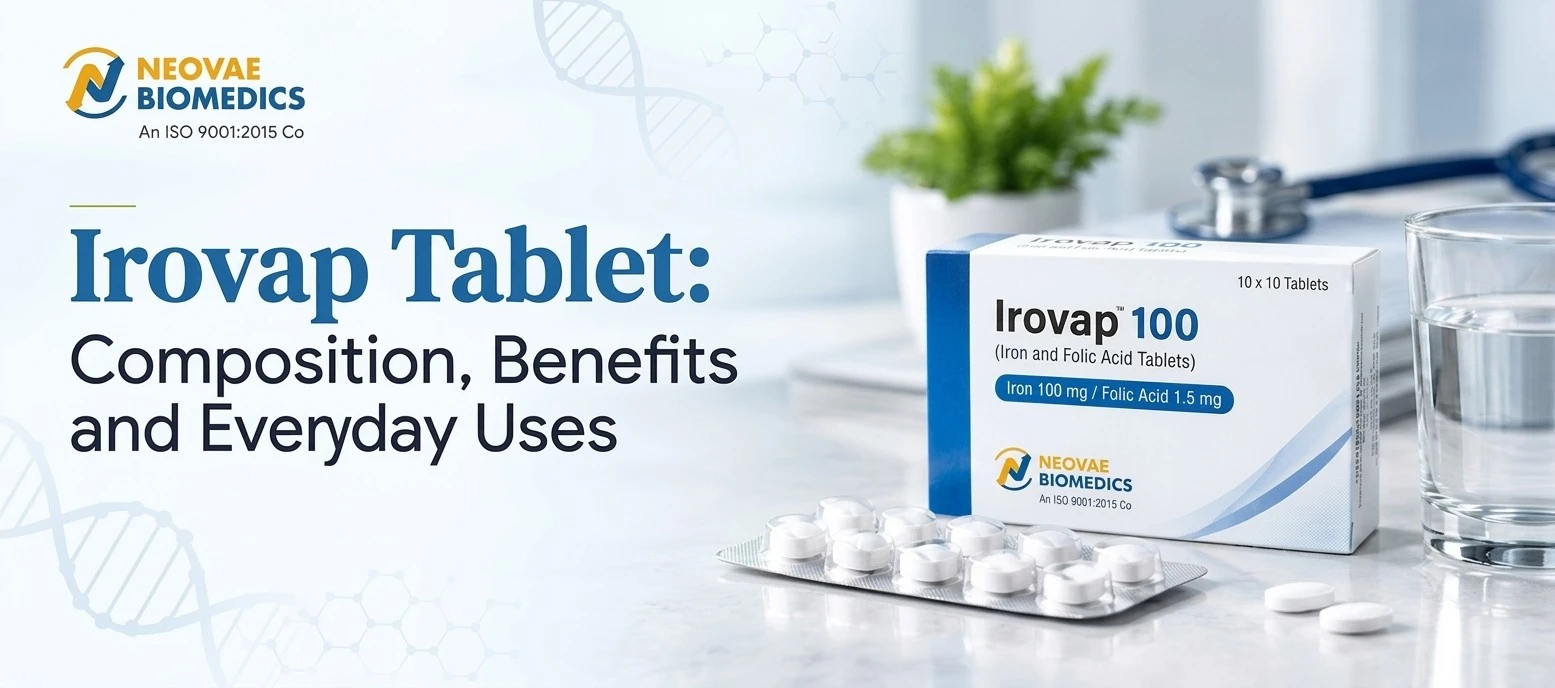
Irovap Tablet: Composition, Benefits and Everyday Uses
Iron deficiency is one of the most common nutritional deficiencies that we see in clinical practice, whether it occurs i...

Carnivap 300: A Complete Guide to Uses, Benefits and Buying It Safely
If your doctor has lately talked to you about Carnivap 300, or if you've come across it as you're looking into antioxida...
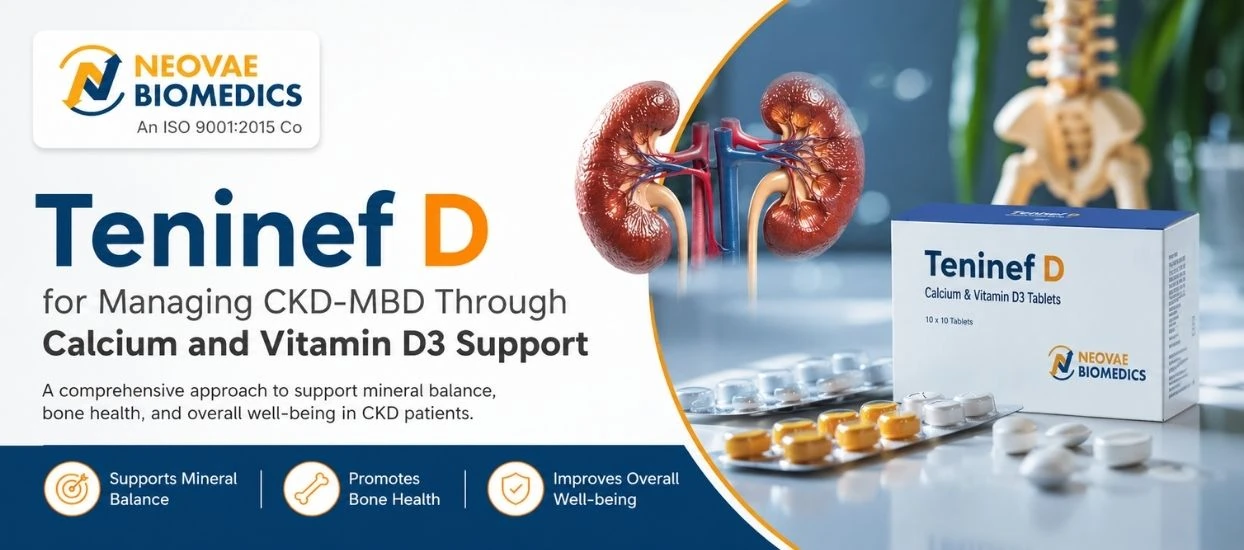
Teninef D for Managing CKD-MBD Through Calcium and Vitamin D3 Support
Chronic kidney disease seldom remains limited to the kidneys themselves; as kidney function decreases, the body's capaci...

The Role of Specialty Medicines in Neurology Treatment
Neurological diseases are unique in terms of having a wide range of manifestation forms with similar diagnoses. For any...

Cardio-Diabetology: Treating the Heart and the Metabolic System Together
Cardiology and diabetology used to exist as two separate worlds, focusing on disparate guidelines and having little over...

The Power of Speciality Healthcare
The human body is an extraordinary network where every organ, tissue, and system depends on another to function efficien...

Talking to Family About a Serious Diagnosis
Clinicians are trained to deliver a diagnosis. Patients rarely get the equivalent training in relaying it to the people...

Understanding Your Treatment Plan & Medicines
A diagnosis rarely arrives with a manual. What follows it, however, usually does: a treatment plan, drawn up by a physic...

A Holistic Vision for the Future of Patient Care
Neovae Biomedics is a speciality healthcare company dedicated to improving patient outcomes through innovation and scien...