Neovae's Nephrology Range: Medicines Built Around Kidney Health
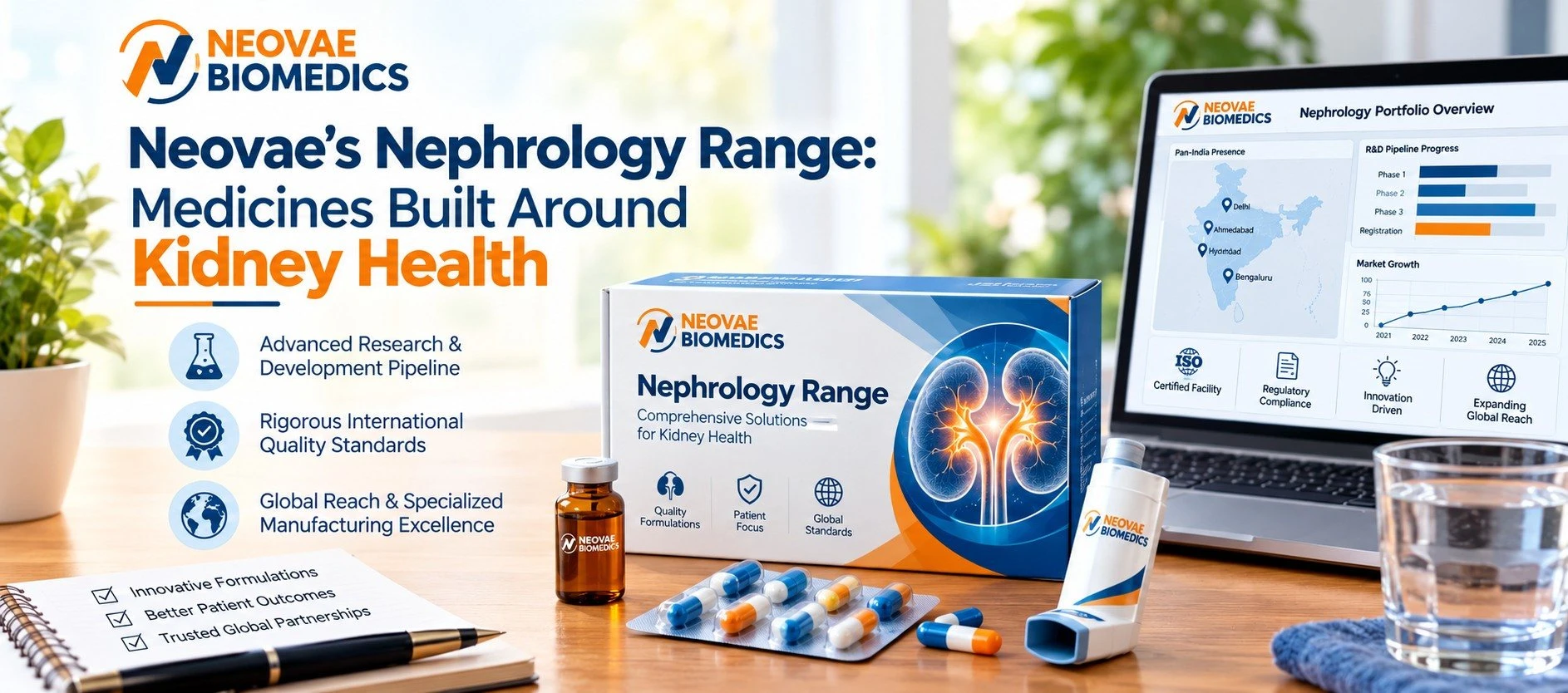
Chronic kidney disease rarely arrives with a single problem. A person may deal with high phosphate, anaemia, low calcium, protein restrictions, and heart risk all at once, and each of those needs its own attention. That is why kidney care is unusually product-dependent: no single tablet covers everything. Any Neovae nephrology product is best understood as one piece of a larger treatment plan built by a nephrologist, not as a standalone answer.
This overview walks through the kidney care portfolio, what each product is meant to address, and how patients and prescribers can think about matching a medicine to a need. If you want a closer look at one product, our guide to Neoalfa-Q tablets covers ketoanalogue support in detail.
Why kidney care needs a dedicated product range
Healthy kidneys quietly do several jobs: they filter waste, balance minerals such as calcium and phosphate, help make red blood cells through a hormone called erythropoietin, and activate vitamin D. When function declines, every one of those jobs can slip. Doctors therefore treat CKD as a set of linked complications, and specialty companies build products around them.
A nephrology medicine manufacturer in India that patients and clinics can rely on typically offers formulations across at least these areas:
• Mineral and bone balance (phosphate control, calcium, vitamin D)
• Nutritional support for restricted-protein diets
• Iron and haemoglobin support
• Cardiovascular support, since heart risk rises as kidney function falls
• Protection of kidney function in people with diabetes
What Kidney Medicines Does Neovae Manufacture?
The Ghaziabad-based company, whose legal entity appears on packs as Neovae Biomedics Pvt Ltd, lists several products aimed at these needs. In its published product information, the kidney-related items include:
| Product | What it is meant to address | Typical role in care |
|---|---|---|
| Neoalfa | Alpha ketoanalogue supplement for people on a low-protein diet | Nutritional support that limits urea build-up |
| Selva DT | Sevelamer-based phosphate binder | Controls high blood phosphate, including in dialysis patients |
| Carnivap | Omega-3, coenzyme Q10 and L-arginine combination | Cardiovascular support in CKD |
| Teninef D | Calcium and vitamin D3 support | Mineral and bone balance in CKD |
| NephroAce | Tablet indicated for diabetic kidney disease | Aims to slow progression of microalbuminuria |
| Polycarb and Irovap | Iron formulations | Support for iron deficiency, common in CKD |
Availability, exact formulations, and strengths can change, so always read the composition on the pack and the package insert. Each medicine above requires a doctor's judgement about whether it is right for you.
How These Medicines Connect
The value of a kidney care medicine range shows up when you look at how the products relate to each other.
Mineral balance: In CKD, phosphate rises and calcium can fall, which pulls minerals out of bones. A phosphate binder such as Selva DT reduces phosphate absorption from food, while calcium and vitamin D3 formulations address the other side of the imbalance. Nephrologists monitor blood tests to decide the mix.
Nutrition: Protein produces urea, so doctors often restrict it. Ketoanalogue supplements exist to help people avoid nutritional shortfalls while eating less protein.
Heart protection: People with CKD face higher cardiovascular risk than the general population. Supportive formulations aimed at the heart are therefore part of the conversation, though they never replace blood pressure control, lipid management, or prescribed cardiac drugs.
Iron and energy: Tiredness in CKD often relates to low iron or anaemia. Iron formulations are prescribed based on blood reports, not on symptoms alone.
How to Choose the Right Nephrology Medicine for CKD
Patients often ask which product they "should" take. The honest answer is that the choice is clinical, but understanding the logic helps you take part in the decision.
1. Know your stage and your reports. Estimated filtration rate, creatinine, phosphate, calcium, haemoglobin, and urine protein each point toward different priorities.
2. Ask what problem each medicine solves. If a prescription includes several products, ask what each one is for. A good nephrologist will explain.
3. Check the timing. Phosphate binders go with meals, ketoanalogues are usually taken with food, and some minerals must be separated from other tablets to avoid interfering with absorption.
4. Review your diet together. A medicine that depends on a low-protein or low-phosphate diet will not work as intended if the diet is ignored.
5. Plan the follow-up. Ask when blood tests are due and what results would trigger a change.
6. Report symptoms early. Nausea, unusual swelling, breathlessness, or changes in urine output should be shared with your care team promptly.
Requirements vary by country, guidelines, and the individual's condition, so treat any general guide as a starting point for a conversation, not a prescription.
Questions Worth Asking Your Nephrologist
• Which of my current medicines address minerals, and which address nutrition?
• Are there any medicines here I should avoid combining with my other tablets?
• How often should my calcium, phosphate, and haemoglobin be checked?
• What diet changes will make these medicines work better?
• If I am on dialysis, how does the schedule change my dosing routine?
What Clinics and Distributors Should Look For
Hospitals, dialysis centres, and pharmacies sourcing a nephrology product line India wide should look beyond price:
• Verified licensing and batch documentation
• Clear labelling of composition and expiry
• Consistent supply for chronic-use medicines, since interruptions can disrupt treatment
• A reachable contact for product queries and complaints
• Product information sheets for staff training
Supplier reliability matters more in nephrology than in many other fields, because patients depend on the same medicines for years.
Practical Tips for Patients Living with CKD
• Keep a single updated list of all medicines and share it at every visit
• Do not switch brands or stop a product without asking your doctor
• Store medicines as directed, away from heat and moisture
• Buy only from licensed pharmacies and check the strip details on arrival
• Bring your recent lab reports to each appointment so changes can be tracked
Choosing with Confidence
Kidney medicines work best when they are chosen for a reason, taken consistently, and reviewed regularly. Whether you are a patient, a caregiver, or a clinic evaluating suppliers, ask for clarity about what each product does and why it is in the plan.
This article is for general information and does not replace advice from a doctor or pharmacist.
Frequently Asked Questions

Neovae Biomedics: Inside a Specialty Pharma Company in India
Most people know the medicine, not the company behind it. Yet for doctors, distributors, and patients, the maker matters...

What Toxivap Capsule is for and How to Order It Safely Online
Bloating, irregular bowel movements, and an unsettled stomach are common complaints, and they often trace back to the ba...

Forsugar-5 Tablet: A Practical Option for Blood Sugar Management
Living with diabetes is mostly a matter of routine: meals, movement, monitoring, and medicine taken the way it was presc...

Neoalfa-Q Tablets: What They Are For and Where to Buy Them
People with chronic kidney disease are often told to eat less protein. It sounds simple, but cutting protein too far can...

Selva DT Tablet: Uses, Dosage Information and What to Know Before You Buy
When the kidneys cease to clear phosphate from the blood as efficiently as they should, a mineral imbalance results, one...

Forsugar-5 Tablet: A Practical Guide to Managing Type 2 Diabetes
Type 2 diabetes management has evolved considerably over the past two decades, moving beyond a single class of drugs tow...

Neoalfa-Q and Sevla DT: Two Pillars of Nutrition and Mineral Management in Kidney Disease
Chronic kidney disease (CKD) rarely stays confined to the kidneys alone. As kidney function declines, two closely relate...

MV-MAX: Supporting Hair, Nerves and Energy With B-Complex and Biotin
Hair thinning, persistent tiredness and tingling or numbness in the hands and feet are three complaints that seem unrela...

Irovap-S Multivitamin Syrup: One Formula for the Whole Family's Nutrition
Getting a household's daily nutrition right is rarely simple. Children go through picky-eating phases, adults skip meals...

VNG-450 (Valganciclovir 450 mg): Uses, Precautions and What Patients Should Know
Cytomegalovirus, which is generally referred to as CMV, is a virus that the majority of healthy individuals carry withou...

A Practical Guide to Uses, Benefits and Buying of Polycarb Tablet
Iron deficiency anaemia is the most commonly diagnosed nutritional disorder in women, especially during their reproducti...
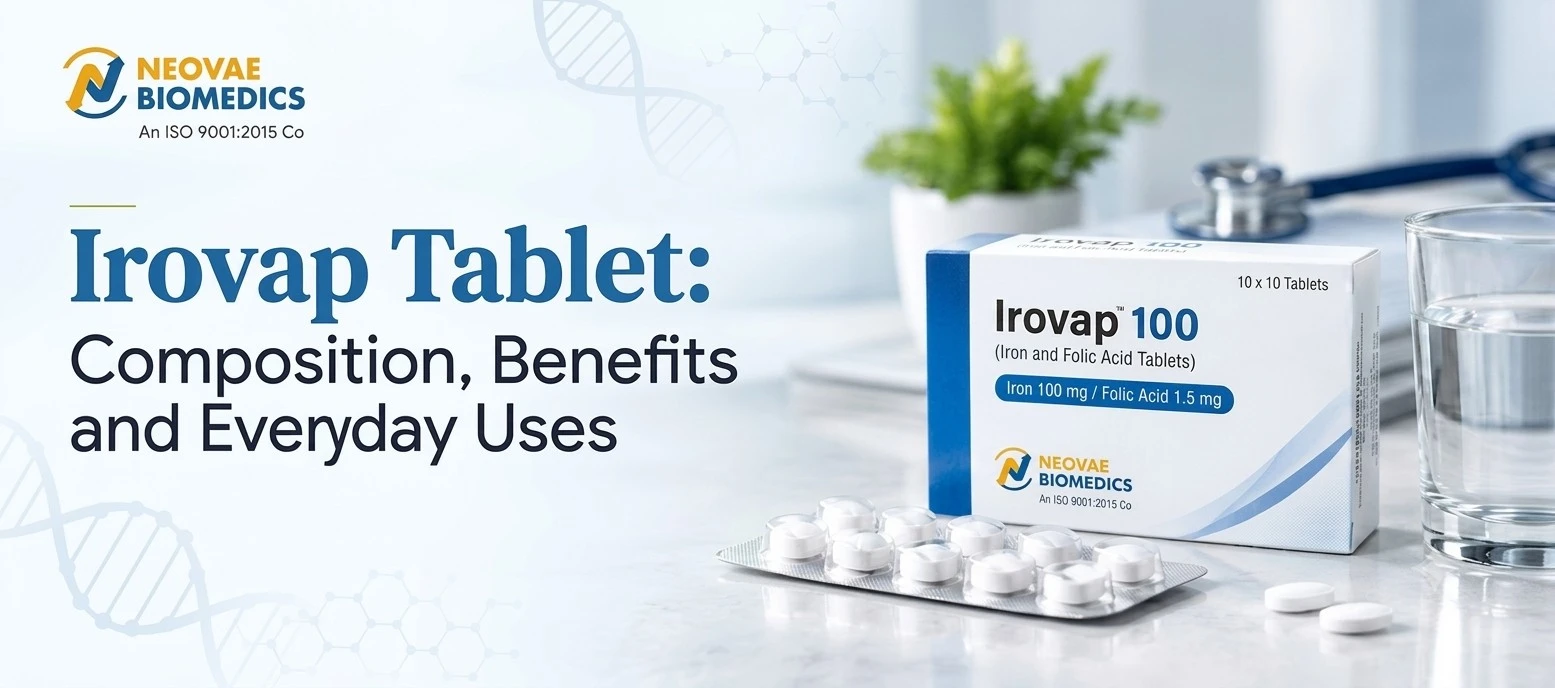
Irovap Tablet: Composition, Benefits and Everyday Uses
Iron deficiency is one of the most common nutritional deficiencies that we see in clinical practice, whether it occurs i...

Carnivap 300: A Complete Guide to Uses, Benefits and Buying It Safely
If your doctor has lately talked to you about Carnivap 300, or if you've come across it as you're looking into antioxida...
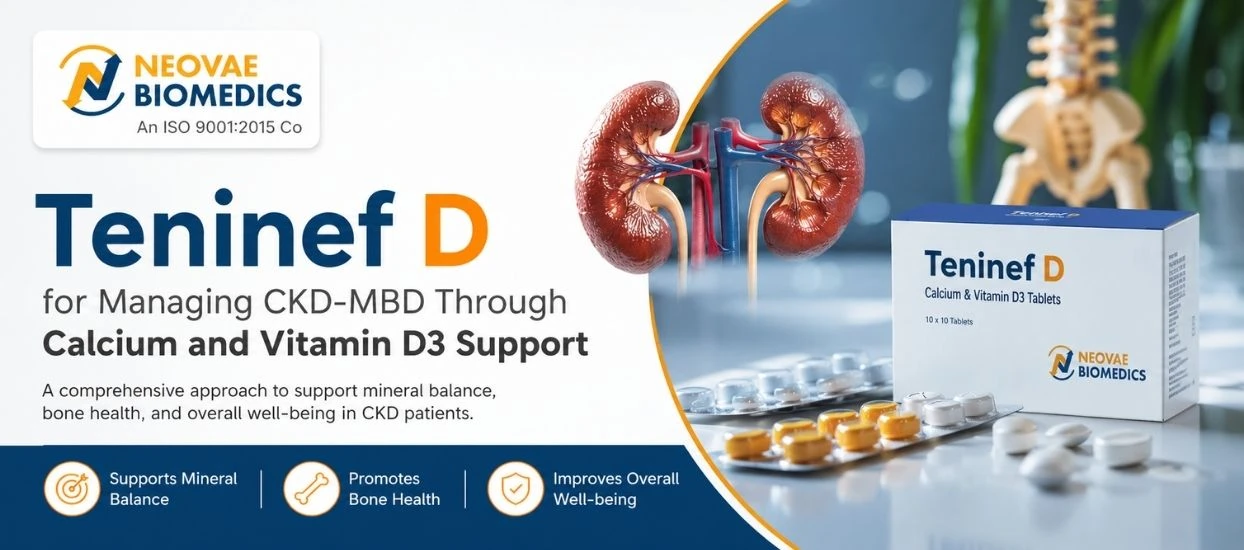
Teninef D for Managing CKD-MBD Through Calcium and Vitamin D3 Support
Chronic kidney disease seldom remains limited to the kidneys themselves; as kidney function decreases, the body's capaci...

Acihold Medicine: Uses, Benefits, And What To Know Before Taking It
Gastric acidity is perhaps one of the most frequent complaints that brings patients to their physician, pharmacist, or h...

The Role of Specialty Medicines in Neurology Treatment
Neurological diseases are unique in terms of having a wide range of manifestation forms with similar diagnoses. For any...

Cardio-Diabetology: Treating the Heart and the Metabolic System Together
Cardiology and diabetology used to exist as two separate worlds, focusing on disparate guidelines and having little over...

The Power of Speciality Healthcare
The human body is an extraordinary network where every organ, tissue, and system depends on another to function efficien...

Talking to Family About a Serious Diagnosis
Clinicians are trained to deliver a diagnosis. Patients rarely get the equivalent training in relaying it to the people...

Understanding Your Treatment Plan & Medicines
A diagnosis rarely arrives with a manual. What follows it, however, usually does: a treatment plan, drawn up by a physic...

A Holistic Vision for the Future of Patient Care
Neovae Biomedics is a speciality healthcare company dedicated to improving patient outcomes through innovation and scien...